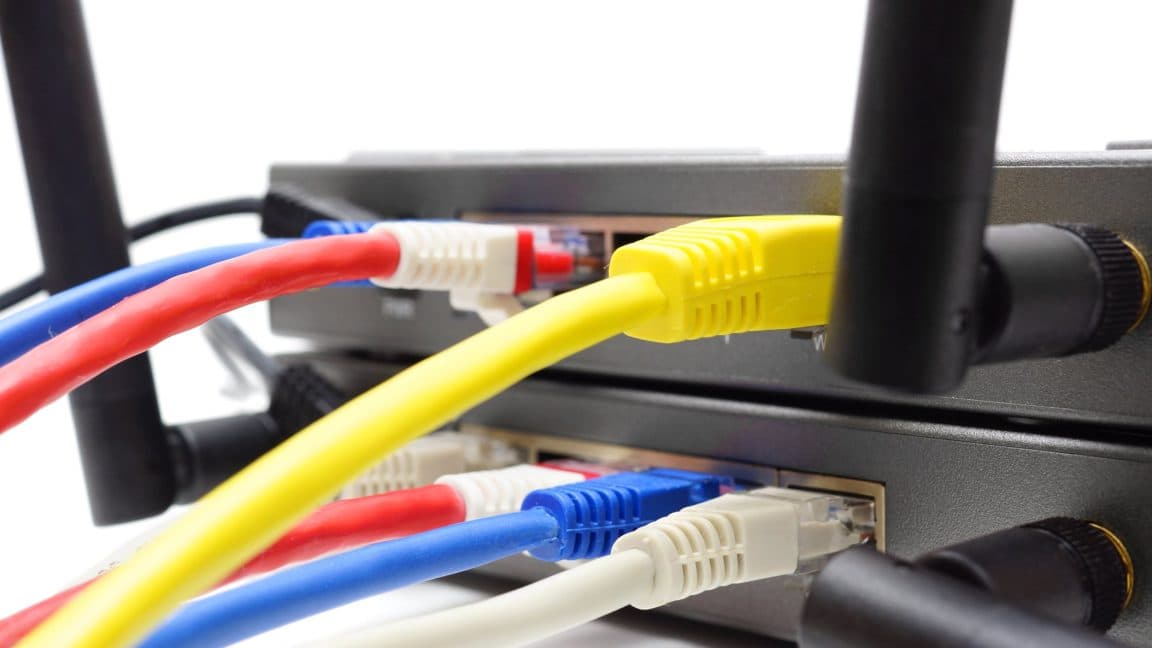
The US government warns that Russia state hackers are coming after your router
Latest coverage from Ars Technica on future-tech.
WhatIsFuture AI Editor
Contributor
The modern home is no longer just a sanctuary; it is a highly connected node in a vast, global digital ecosystem. From smart thermostats and voice-activated assistants to high-powered remote workstations running advanced artificial intelligence models, our daily lives are deeply integrated with the cloud. Sitting quietly at the center of this web is the humble router—the unsung gatekeeper of our digital existence. However, a stark, coordinated warning from the US government and its international allies has cast a chilling spotlight on these devices, revealing that Russian state-sponsored cyber actors are actively targeting consumer and small-office routers to build a formidable, decentralized cyberweapon.
This is not a traditional malware scare aimed at stealing credit card numbers or locking personal computers for ransom. Instead, it represents a sophisticated geopolitical maneuver designed to exploit the weakest links in our global technology infrastructure. By compromising everyday edge devices, state-backed hackers are constructing stealthy, peer-to-peer networks that bypass traditional corporate firewalls and government defenses. As we transition into a future defined by hyper-connectivity and decentralized computing, this latest warning underscores a harsh reality: the frontlines of international cyberwarfare have officially shifted to our living rooms and local coffee shops.
The Vulnerable Edge: Why State Actors Covet Your Router
To understand why foreign intelligence agencies are obsessed with consumer-grade hardware, one must look at the structural vulnerabilities of the modern Internet of Things (IoT). For over a decade, cybersecurity experts have warned that small office and home office (SOHO) routers are a security nightmare. Unlike enterprise-grade servers that are actively monitored by dedicated IT departments, consumer routers are typically "set-and-forget" appliances. They are rarely updated, frequently run on outdated firmware, and often rely on default or easily guessable passwords. This makes them incredibly soft targets for automated scanning tools used by nation-state actors.
Furthermore, the rise of the hybrid workforce has turned these domestic vulnerabilities into massive corporate liabilities. A compromised home router allows state-sponsored actors to position themselves directly between a remote employee and their employer's secure corporate network. By executing sophisticated "man-in-the-middle" attacks, attackers can harvest sensitive credentials, intercept encrypted data streams, and gain lateral access to high-value corporate and government databases. In essence, the router is no longer just a bridge to the internet; it is a potential backdoor into the world's most sensitive digital infrastructure.
Geopolitical Botnets and the Threat of Silent Espionage
The primary objective of these state-sponsored campaigns is not immediate destruction, but rather persistent, stealthy access. By compromising thousands of routers simultaneously, Russian cyber actors are able to assemble massive, decentralized botnets. These networks of infected devices are used to route malicious traffic, making it appear as though cyberattacks on critical infrastructure—such as power grids, water treatment facilities, and financial systems—are originating from ordinary residential IP addresses. This tactic of "living off the land" makes attribution extraordinarily difficult for intelligence agencies and cybersecurity firms.
"The weaponization of consumer routers represents a paradigm shift in state-sponsored cyber operations. By operating from within legitimate residential networks, adversaries can completely neutralize perimeter-based defenses, turning ordinary citizens' internet connections into proxies for geopolitical espionage."
As artificial intelligence continues to advance, the threat posed by these botnets will only amplify. Cybercriminals and state actors are already experimenting with AI-driven malware that can autonomously navigate local networks, adapt to defensive measures in real-time, and identify high-value targets without needing to communicate back to a central command-and-control server. When deployed across a network of compromised routers, these autonomous digital agents could operate undetected for years, silently gathering intelligence and waiting for the signal to launch a coordinated disruption.
The Zero-Trust Imperative: Redefining Home Network Security
The escalating threat landscape demands a fundamental shift in how we approach personal and professional network security. The traditional model of cybersecurity, which relies on a strong perimeter to keep threats out, is no longer viable in an era where the perimeter itself is untrusted. Instead, both enterprises and consumers must adopt a zero-trust architecture. Under this philosophy, no device, user, or service is trusted by default, regardless of whether they are operating inside or outside the local network.
Implementing zero-trust principles at the consumer level requires a combination of user vigilance, hardware innovation, and regulatory pressure. Router manufacturers must move away from insecure legacy practices, such as shipping devices with universal default credentials or ignoring critical firmware vulnerabilities. Next-generation routers must be built with security by design, featuring automatic, encrypted firmware updates, hardware-isolated sandboxes for network operations, and built-in anomaly detection powered by localized machine learning algorithms that can flag suspicious traffic patterns instantly.
What This Means for the Future of Smart Infrastructure
As we look toward the future of technology, the convergence of edge computing, 5G, and the Internet of Things will only increase our reliance on local networking hardware. If the foundation of this infrastructure remains vulnerable, the consequences could be catastrophic. The militarization of consumer routers is a wake-up call for the entire technology sector, signaling that cybersecurity can no longer be treated as an afterthought or a premium add-on feature.
To navigate this hostile digital landscape, organizations and individuals must take proactive steps to secure their networks and mitigate the risks of state-sponsored exploitation. Key implications of this ongoing threat include:
- The Death of the Perimeter: Traditional network boundaries have dissolved, making continuous authentication and end-to-end encryption mandatory for all digital interactions.
- The Rise of AI-Driven Defense: As cyber threats become more automated and sophisticated, security systems must leverage real-time artificial intelligence to detect and neutralize anomalies at the network edge.
- Regulatory Accountability: Governments are likely to impose stricter security standards on IoT manufacturers, penalizing companies that fail to secure their hardware throughout its lifecycle.
- Increased Geopolitical Friction: The digital realm will remain a primary theater for non-kinetic warfare, with consumer technology serving as both the battlefield and the collateral damage.
The Bottom Line
The warning from the US government is not merely a technical advisory; it is a profound reminder that our digital and physical realities are now permanently intertwined. The humble router in your hallway is no longer just a tool for streaming movies or attending virtual meetings—it is a critical piece of national security infrastructure. As state-sponsored actors refine their tactics and integrate advanced artificial intelligence into their cyber arsenals, securing the edge of our networks is no longer an option; it is an absolute necessity for safeguarding our collective future.
Supercharge Your Workflow with Claude AI
The AI assistant used by 100K+ professionals. Write, code, analyse — all in one place.