Hackers Weaponize Balochistan Police Portal in Multi-Group Espionage Campaigns
Cybersecurity researchers have disclosed details of sustained cyber espionage activity against several Pakistani law enforcement organizations undertaken by suspected China- and India-aligned threat a...
WhatIsFuture AI Editor
Contributor
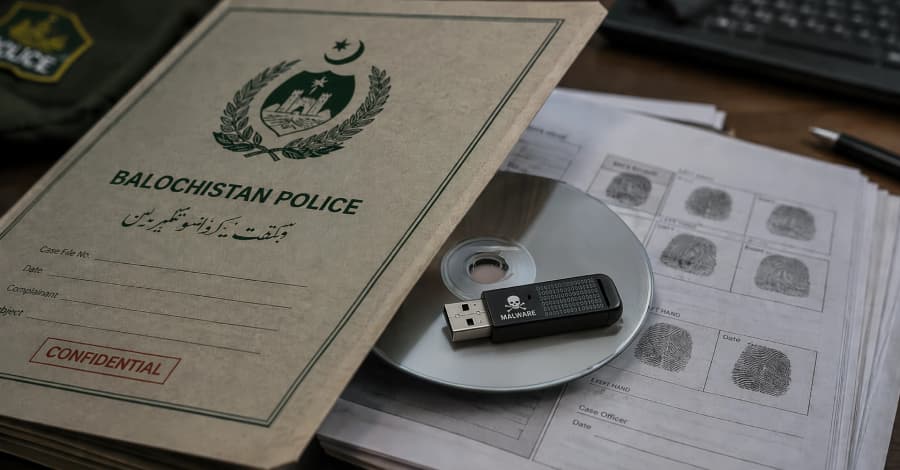
The physical borders of South Asia have long been contested, but a silent, invisible war is now raging in the digital shadows. In a chilling revelation of modern cyber warfare, cybersecurity researchers have uncovered a sustained, multi-front espionage campaign targeting Pakistani law enforcement. At the epicenter of this digital storm is the official Balochistan Police portal, which has been compromised and weaponized by rival state-aligned threat actors.
Originally reported by *The Hacker News*, the breach highlights a complex geopolitical web. Analysts have tracked overlapping cyber-espionage operations targeting Pakistani security agencies, attributed to suspected China-aligned and India-aligned Advanced Persistent Threat (APT) groups.
---
A Dual-Threat Digital Battlefield
What makes this cyber-espionage campaign uniquely alarming is the dual presence of rival intelligence-gathering operations. Rather than a single adversary, the Balochistan Police infrastructure has become a shared target for two of the region's dominant cyber powers.
The strategic motivations behind these campaigns paint a vivid picture of modern statecraft:
- The China-Aligned Vector: Security experts hypothesize that Beijing-backed groups are focused on monitoring regional stability. Balochistan is the crown jewel of the China-Pakistan Economic Corridor (CPEC), a multi-billion-dollar infrastructure project. Safeguarding these investments from local insurgencies requires deep intelligence on local law enforcement activities.
- The India-Aligned Vector: Conversely, suspected New Delhi-aligned actors are believed to be gathering tactical intelligence on Pakistani counter-terrorism operations, troop movements, and internal security protocols.
---
How the Portal Was Weaponized
According to cybersecurity analysts, the attackers utilized highly sophisticated tactics to exploit the Balochistan Police portal. Instead of a blunt force DDoS attack, the threat actors opted for a stealthy, persistent intrusion.
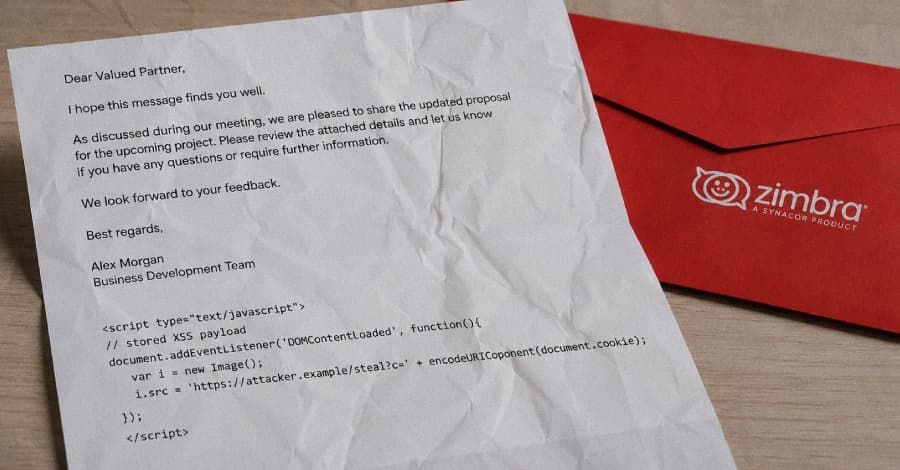
1. Subdomain Hijacking & Trust Abuse: By gaining access to the police portal, hackers were able to host malicious payloads on legitimate government subdomains. This significantly reduced the likelihood of security software flagging their malicious files. 2. Watering Hole & Spear-Phishing Attacks: The compromised portal was used to launch highly targeted spear-phishing campaigns directed at high-ranking police officials and military liaisons. 3. Data Exfiltration: Once inside the network, the actors deployed custom malware designed to harvest sensitive police registries, intelligence reports, and communication logs.
---
The Future of Geopolitical Cyber Warfare
The weaponization of the Balochistan Police portal is a stark warning of what the future holds for global cyber sovereignty. Public sector infrastructure—often plagued by legacy systems and underfunded IT departments—has become the soft underbelly of national security.
As the physical and digital worlds continue to merge, local law enforcement agencies are no longer just fighting crime on the streets; they are on the frontlines of global cyber warfare. For Pakistan, securing its digital borders will require a monumental shift in cybersecurity posture. For the rest of the world, this incident serves as a grim blueprint of how local municipal infrastructure can be transformed into a weapon of international espionage.
Supercharge Your Workflow with Claude AI
The AI assistant used by 100K+ professionals. Write, code, analyse — all in one place.